Will 2026 Be A Leap Year
With great pleasure, we will explore the intriguing topic related to Will 2026 Be a Leap Year?. Let’s weave interesting information and offer fresh perspectives to the readers.
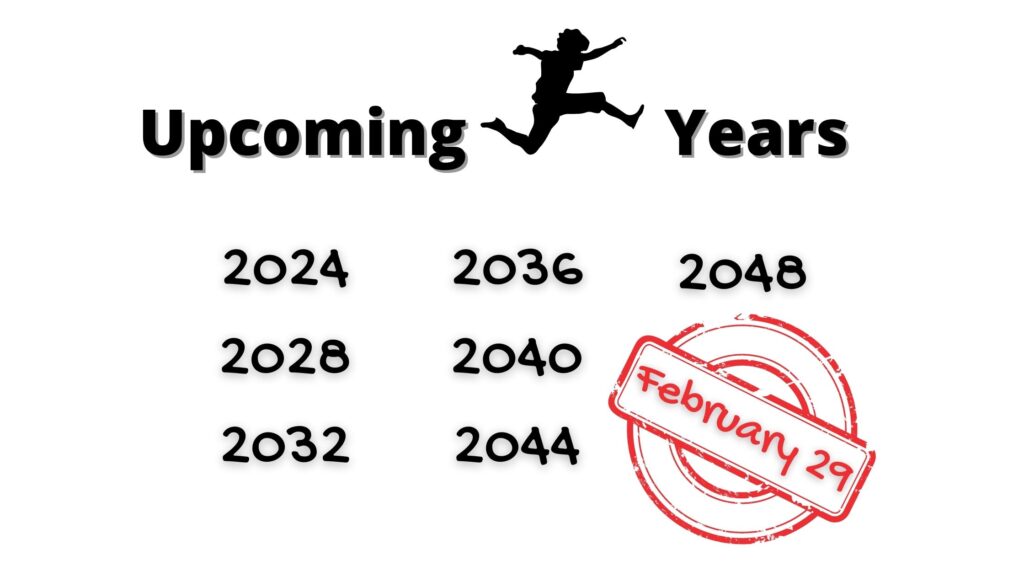


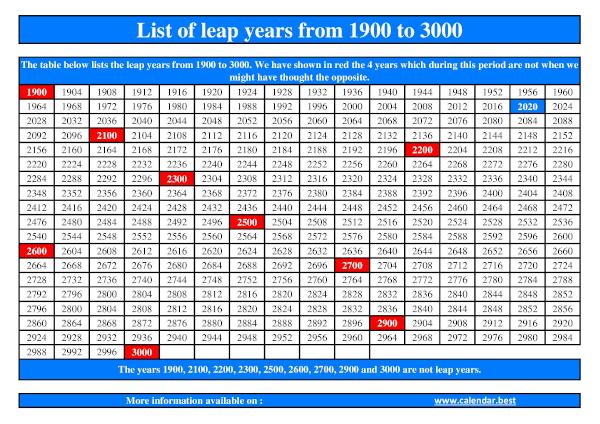
A leap year is a year with an extra day added to the calendar, specifically February 29th. This is done to keep the calendar in sync with the Earth’s orbit around the sun, which takes approximately 365.242 days. To account for this extra quarter-day, we add an extra day to the calendar every four years, except for years that are divisible by 100 but not by 400.
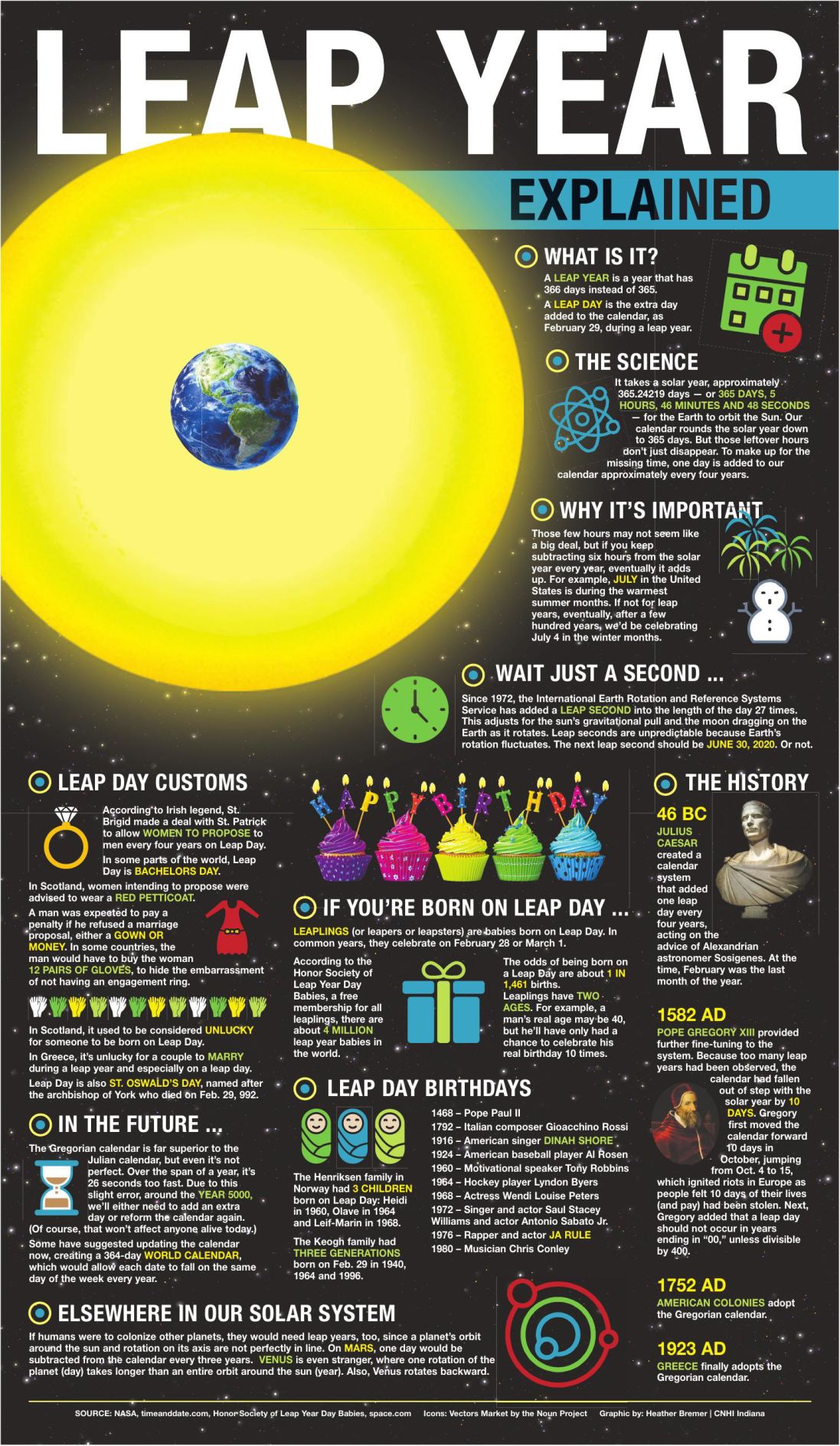
2. Not divisible by 100: 2026 is not divisible by 100, as 2026 ÷ 100 = 20 with a remainder of 26.

3. Divisible by 400: 2026 is not divisible by 400, as 2026 ÷ 400 = 5 with a remainder of 26.
/things-you-didnt-know-about-leap-year-4864254-5a374544728d43998376a09628923761.png)
The Earth’s orbit around the sun is not exactly 365 days long. It actually takes about 365.242 days for the Earth to complete one full orbit. This means that if we didn’t have leap years, our calendar would gradually drift out of sync with the seasons.
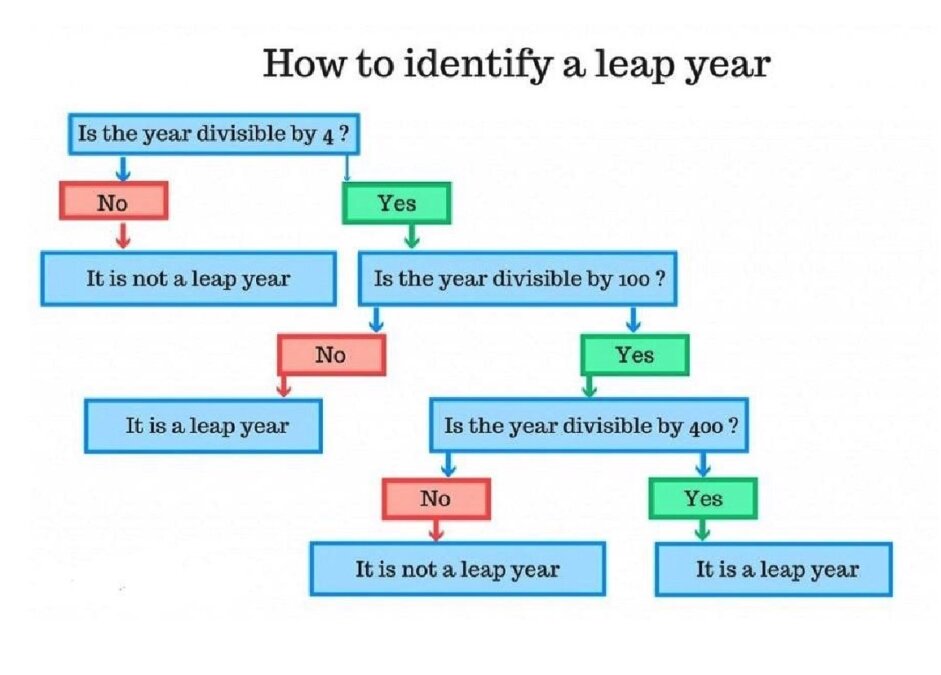
For example, if we didn’t have leap years, the vernal equinox (the first day of spring in the Northern Hemisphere) would occur on a different day each year. Over time, it would shift backward in the calendar until it eventually occurred in the middle of winter.

The concept of leap years dates back to ancient times. The first known leap year was introduced by the Roman emperor Julius Caesar in 46 BC. The Julian calendar added an extra day to February every four years, but it was not a perfect system.
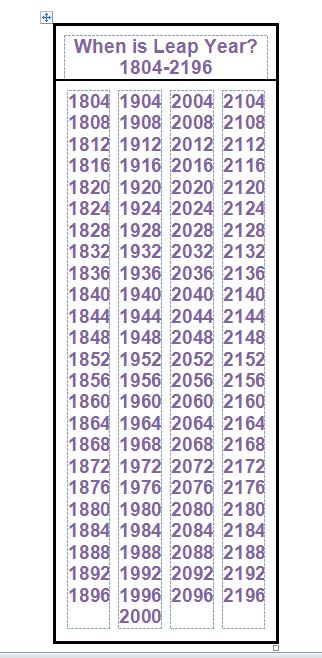
In 1582, Pope Gregory XIII introduced the Gregorian calendar, which is the calendar we use today. The Gregorian calendar modified the Julian calendar by introducing a more accurate formula for determining leap years.

Thus, we hope this article has provided valuable insights into Will 2026 Be a Leap Year?. We hope you find this article informative and beneficial. See you in our next article!